
Spring Safety Tips for Outdoor Workers and Business Owners
Spring brings warmer weather and a chance for businesses to refresh their outdoor spaces, but it also introduces seasonal risks that can lead to injuries, property damage, or insurance claims. A bit of early preparation can help prevent avoidable accidents and keep operations running smoothly. By assessing your property, organizing work areas, and ensuring your team has the right tools and knowledge, you can create a safer environment as the season picks up.
Below are practical steps business owners can take to reduce common spring hazards and protect their workforce.
Inspect Outdoor Areas for Winter Damage
Snow, ice, and freezing temperatures often leave behind issues like cracks, uneven walking surfaces, or damaged steps. These small problems can easily become safety hazards once foot traffic increases. Taking time now to evaluate your property can help prevent slips, trips, and falls.
Walk around your sidewalks, parking lots, entryways, and staircases. Look for things like crumbling concrete, potholes, worn paint, or unstable rails. Plan repairs such as filling cracks, repainting edges for visibility, or installing traction surfaces where needed. Addressing these issues early helps minimize the chance of injuries.
Remove Outdoor Clutter and Obstructions
Outdoor spaces often accumulate leftover materials, tools, or equipment from previous seasons. Items like hoses, extension cords, and loose supplies can clutter walkways and create trip hazards for both employees and visitors.
Make a habit of clearing pathways and storing items in designated locations. Regular tidying ensures work areas stay open, organized, and safe. A clean environment not only reduces injury risks but also helps your team work more efficiently.
Inspect Seasonal Tools and Equipment
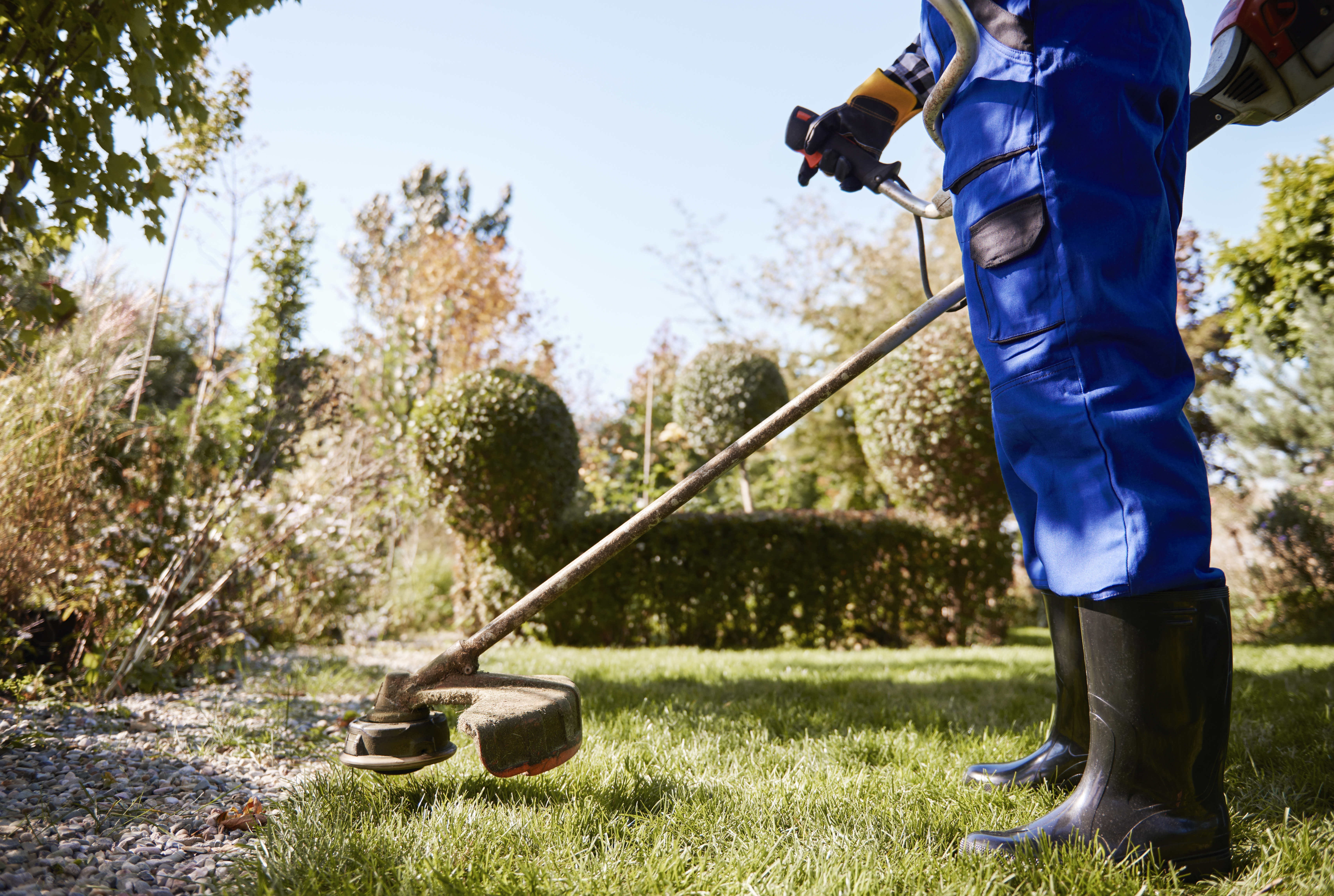
As outdoor tasks resume, equipment such as lawn tools, power washers, and trimmers are put back into use. After sitting idle during the winter, these tools may need attention or repairs before they’re ready for safe operation.
Review all equipment for frayed cords, missing safety guards, damaged switches, or worn parts. Replace or repair anything that appears unsafe. A short inspection before use reduces the likelihood of malfunction and protects workers from preventable accidents.
Evaluate Ladder Safety Before Spring Projects
Spring maintenance often requires working at heights, whether it’s cleaning gutters, updating signage, or washing upper windows. Using ladders improperly can lead to serious injuries, making it important to check their condition and reinforce safe usage practices.
Ensure ladders are sturdy, positioned on solid ground, and tall enough for the job so workers don’t need to overreach. Reviewing proper climbing and placement techniques with your team can go a long way in preventing falls.
Reduce the Risk of Overexertion
Spring tasks can involve heavy lifting, repetitive movements, or unfamiliar duties that strain muscles. Without proper technique, workers may experience sprains, back injuries, or fatigue.
Encourage employees to lift using their legs, avoid twisting while carrying items, and ask for assistance when handling heavier loads. Reinforcing these habits helps limit injuries and promotes safer work conditions across your team.
Review and Update Protective Gear
Outdoor work increases exposure to hazards like sharp branches, flying debris, or uneven terrain. Ensuring your team has access to proper gear helps them stay safe and prepared for seasonal tasks.
Provide or inspect essentials such as sturdy footwear, work gloves, safety glasses, and high-visibility clothing. On bright days, sunglasses can reduce glare and protect eyesight. Refreshing gear at the start of the season shows your commitment to safety and helps shield workers from avoidable injuries.
Prepare for Sun, Heat, and Insects
Longer days and warmer temperatures mean more sun exposure—and with it, the risk of dehydration, heat stress, and skin irritation from bugs or plants. Ignoring these elements can lead to health-related absences or discomfort on the job.
Make hydration a priority, ensure shaded break areas are available, and encourage the use of sunscreen and insect repellent. Wearing hats and lightweight long sleeves can also offer added protection, especially during midday or in overgrown areas where pests are common.
Review Emergency Supplies and Procedures
Spring is an ideal time to confirm that your emergency plans and supplies are ready for the year ahead. Quick response during an incident can significantly reduce harm and help employees act confidently.
Check that fire extinguishers, first-aid kits, and smoke detectors are stocked and functioning properly. Revisit emergency procedures with your staff so everyone understands the steps to take in urgent situations. Preparation ensures your business remains resilient even when unexpected events occur.
Keep Strong Insurance Coverage in Place
Even when safety protocols are followed, accidents can still occur. Reliable commercial insurance—such as workers' compensation and general liability coverage—provides a critical safeguard for your business when things don’t go as planned.
If you're unsure whether your current policy still meets your needs, spring is a great time to reassess your coverage. With outdoor activity increasing, confirming that your insurance is ready for the season adds peace of mind.
If you’d like support reviewing your commercial insurance, reach out today. We’re here to help ensure your business is protected throughout the busy spring months.